

Protecting Infrastructure, People, and Progress
South Africa’s diverse terrain presents unique engineering challenges. From mountainous regions and open-pit mines to road cuttings and dam embankments, unstable slopes pose a significant risk to infrastructure, safety, and long-term project viability.
As infrastructure development and mining activities expand across the country, slope stabilisation has become a critical component of responsible engineering.
Why Slope Stabilisation Matters
Unstable slopes can lead to rockfalls, landslides, erosion, and structural failure — often with severe safety and financial consequences.
In South Africa, these risks are intensified by:
- Variable geological formations
- Heavy seasonal rainfall
- Aging infrastructure
- Increased mining and construction activity
Effective slope stabilisation ensures that infrastructure remains safe, operational, and compliant with regulatory standards throughout its lifespan.
Common Causes of Slope Failure
Slope instability is rarely caused by a single factor. Most failures result from a combination of conditions, including:
- Weak or fractured rock masses
- Poor drainage and groundwater pressure
- Steep excavation angles
- Weathering and erosion over time
- Inadequate initial slope design
Understanding these factors is the first step in designing a reliable stabilisation solution.
Modern Slope Stabilisation Techniques
Advances in geotechnical engineering now allow for tailored stabilisation systems that address both immediate risks and long-term performance.
Common techniques used in South Africa include:
- Soil nailing and rock anchoring to reinforce unstable ground
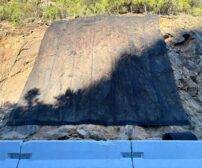
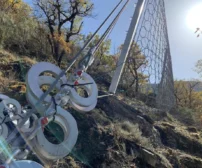
- High-tensile mesh and drapery systems to control rockfall
- Shotcrete applications for surface stabilisation
- Drainage drilling to relieve groundwater pressure
- Retaining structures and reinforced earth systems
- Erosion control measures to protect exposed slopes
Each solution is selected based on site-specific conditions, slope geometry, and risk profile.
Safety and Compliance
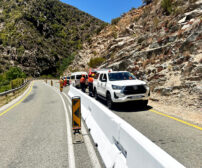
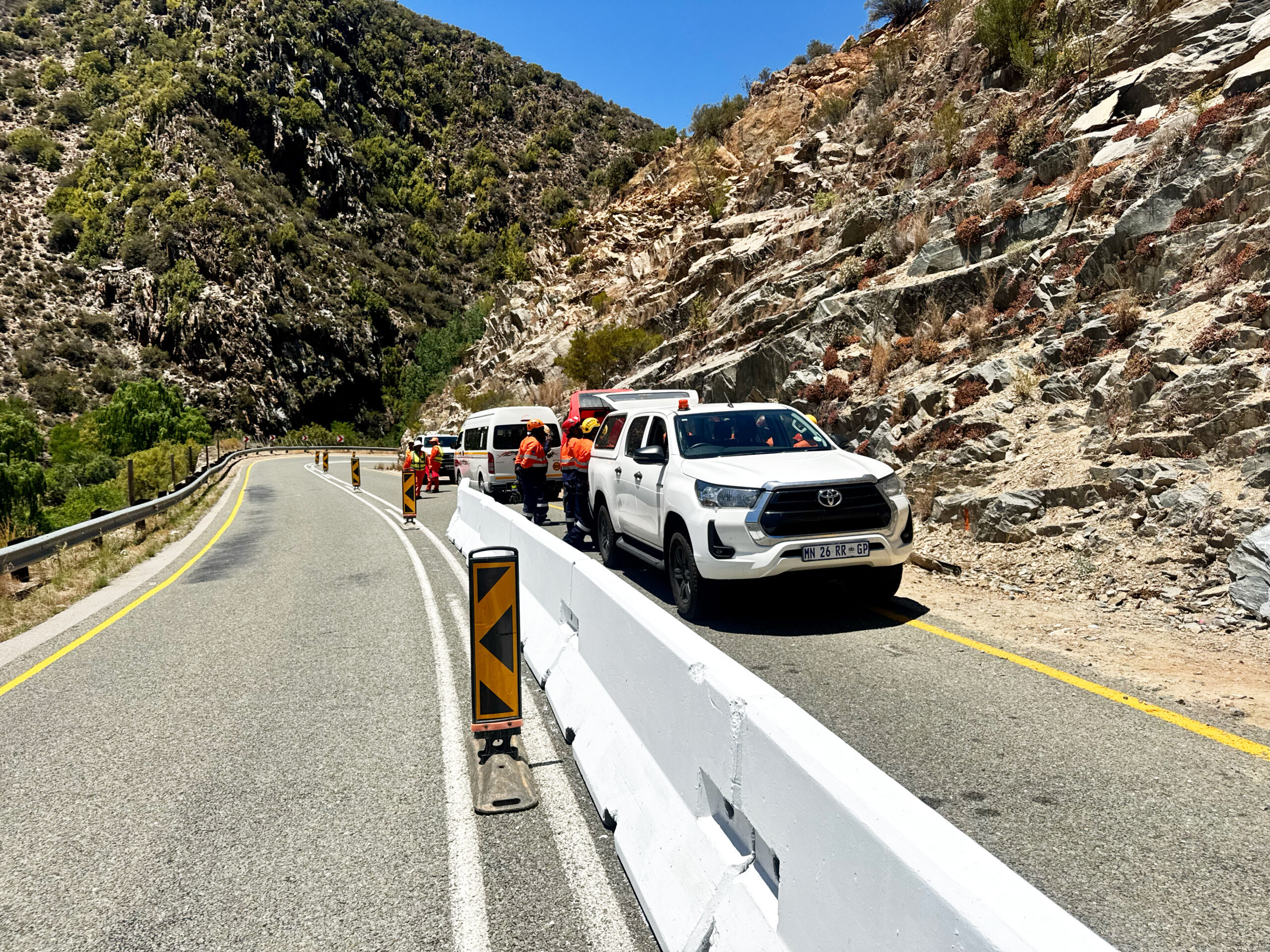
Slope stabilisation works are classified as high-risk activities due to working at heights, unstable ground conditions, and the use of heavy equipment.
In South Africa, all stabilisation projects must comply with:
- The Mine Health and Safety Act (MHSA)
- Occupational Health and Safety Act (OHSA)
- Site-specific client and environmental requirements
A disciplined safety culture and experienced execution teams are essential to delivering these works safely and efficiently.
The Role of Experience and Equipment
Successful slope stabilisation requires more than just design — it demands precision execution.
Specialised drilling equipment, trained rope-access teams, and strict quality control ensure that anchors, nails, and protective systems perform as intended under real-world conditions.
Building Safer Slopes for the Future
As South Africa continues to invest in mining, transport, and energy infrastructure, slope stabilisation will remain a key enabler of safe and sustainable development.
By combining geotechnical expertise, advanced equipment, and a strong safety culture, engineering teams can protect both assets and lives — while extending the service life of critical infrastructure.