

Modern Methods of Barrier Installation: Lessons from Global Best Practice
As infrastructure expands into more complex and high-risk terrain, traditional approaches to slope protection and safety barriers are no longer sufficient.
Across Europe and other developed regions, modern barrier installation methods have evolved to address higher energy impacts, steeper slopes, and stricter safety expectations.
South Africa and the broader African continent are increasingly adopting these global best practices — particularly in mining, road, rail, and hydropower environments.
As infrastructure development and mining activities expand across the country, slope stabilisation has become a critical component of responsible engineering.
Why Barrier Systems Have Evolved
Older barrier installations were often rigid, over-engineered, and difficult to maintain. While effective in some scenarios, they struggled to cope with:
- High-energy rockfall events
- Complex slope geometries
- Limited access conditions
- Long-term durability requirements
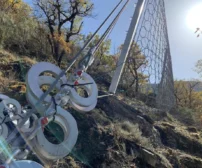
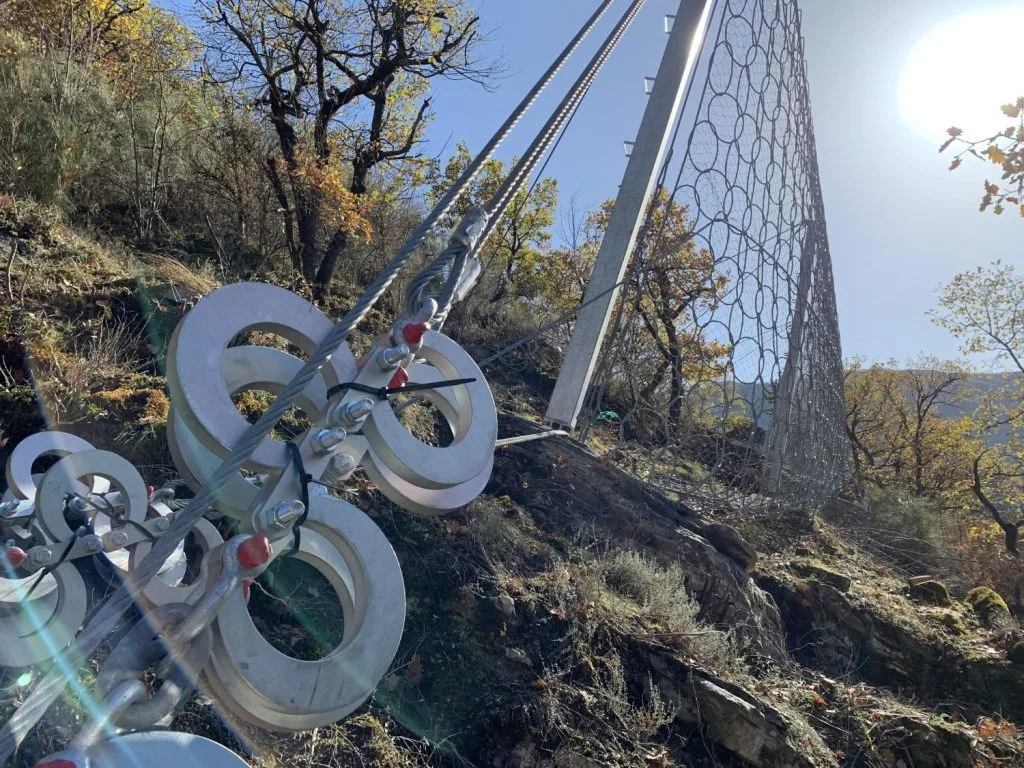
Modern systems focus on energy absorption, flexibility, and controlled deformation, allowing barriers to safely dissipate impact forces rather than resisting them rigidly.
Next Level IMS delivers specialised barrier installation services aligned with modern international methods — combining engineering discipline, advanced equipment, and experienced teams to protect people and infrastructure across South Africa and the African continent.
Global Leaders in Barrier Engineering
Countries with mountainous terrain and dense infrastructure networks have led innovation in barrier installation techniques.
In regions such as southern Europe, alpine areas, and parts of Asia, barrier systems are designed to:
- Absorb large impact energies
- Perform reliably on steep or fractured rock slopes
- Be installed with minimal ground disturbance
- Allow for modular repair after impact events
These approaches are now considered global best practice and are increasingly specified on major infrastructure and mining projects worldwide.
Key Features of Modern Barrier Installation
1. Energy-Absorbing Systems
Modern barriers are engineered to deform under load, reducing peak forces transmitted to foundations and anchors.
This significantly improves safety outcomes and extends system lifespan after impact events.
2. Precision Anchoring
Barrier performance is only as good as its anchoring system.
Today’s installations rely on:
- Engineered anchor layouts
- Controlled drilling and grouting
- Load verification and tension testing
This ensures the barrier behaves exactly as designed during impact.
3. Modular Construction
Rather than replacing entire systems after damage, modern barriers are modular.
Individual components can be inspected, repaired, or replaced — reducing downtime and lifecycle costs.
4. Rope Access & Remote Installation
In steep or restricted terrain, rope access techniques and specialised lifting methods allow safe installation without extensive earthworks or road construction.
This approach minimises environmental impact while improving safety.
Application in Mining and Infrastructure
Modern barrier systems are now widely used across:
- Open-pit mines and quarry slopes
- Road and rail cuttings
- Dam abutments and hydropower facilities
- Industrial sites exposed to rockfall or debris movement
These installations are often integrated with slope stabilisation works such as anchoring, mesh drapery, and drainage — forming a complete risk mitigation system.
The African Context
As African mining and infrastructure projects increase in scale and technical complexity, barrier installation standards are rising accordingly.
Clients now expect:
- Engineered, performance-based solutions
- Compliance with international safety standards
- Proven installation methodologies
- Contractors capable of working in high-risk environments
Adopting modern barrier installation techniques is no longer optional — it is essential for long-term asset protection and public safety.
Delivering Modern Solutions on African Terrain
Implementing global best practice requires more than importing technology — it requires skilled execution, local knowledge, and disciplined safety systems.
Successful barrier installation depends on accurate drilling, precise anchoring, controlled installation, and thorough quality assurance.