

The Foundation of Safe and Sustainable Construction
Before any structure is built, drilled, or excavated, the ground beneath it must be understood.
Geotechnical drilling plays a critical role in infrastructure development, mining, and civil engineering — providing the data needed to design safe, efficient, and long-lasting structures.
In South Africa, where ground conditions can vary dramatically over short distances, geotechnical drilling is not just best practice — it is essential.
What Is Geotechnical Drilling?
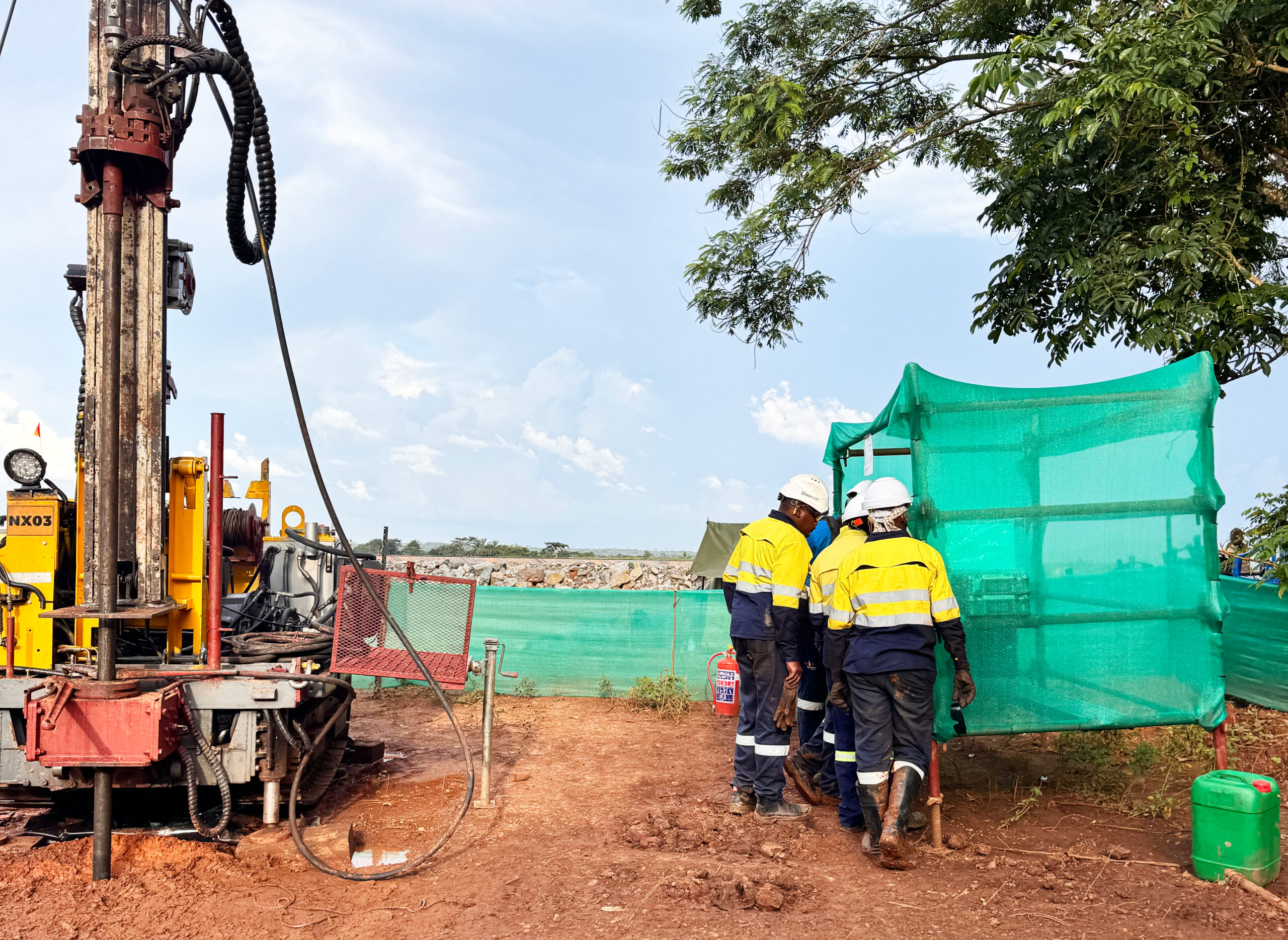
Geotechnical drilling involves drilling boreholes to investigate subsurface conditions such as soil composition, rock strength, groundwater levels, and geological structure.
The information collected supports engineering decisions related to foundations, slopes, excavations, and underground works.
Typical investigations include:
- Soil and rock sampling
- Standard Penetration Testing (SPT)
- Groundwater monitoring
- In-situ testing and instrumentation installation
Why Geotechnical Drilling Matters
Without accurate subsurface data, projects face increased risks of:
- Foundation failure
- Excessive settlement
- Slope instability
- Cost overruns and construction delays
- Safety incidents
Geotechnical drilling reduces uncertainty by transforming unknown ground conditions into reliable engineering data.
South Africa’s Geotechnical Challenges
South Africa’s geology includes hard rock formations, residual soils, dolomite areas, expansive clays, and highly weathered profiles.
Each of these presents unique engineering challenges that must be identified early in the project lifecycle.
Geotechnical drilling helps engineers:
- Identify weak or collapsible soils
- Assess rock mass quality and fracture patterns
- Detect groundwater pressure and seepage risks
- Design foundations and support systems correctly
Drilling Methods Used in Geotechnical Investigations
Modern geotechnical projects use a combination of drilling techniques depending on site conditions and investigation depth.
Common methods include:
- Rotary drilling for soil and weathered rock
- Core drilling for detailed rock mass assessment
- Percussion drilling for shallow investigations
- Sonic drilling for continuous core recovery in difficult ground
Selecting the right drilling method ensures sample integrity and accurate test results.
Safety and Quality Are Non-Negotiable
Geotechnical drilling often takes place in live construction sites, mines, or unstable terrain.
A disciplined safety approach is critical to protect personnel and surrounding infrastructure.
Key safety considerations include:
- Borehole stability and collapse prevention
- Safe handling of drill rods and casing
- Groundwater control
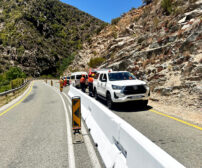
- Site access and traffic management
Quality control is equally important — accurate logging, sample handling, and documentation ensure data can be trusted by engineers and designers.
From Data to Design
The true value of geotechnical drilling lies in how the data is used.
Engineers rely on drilling results to:
- Design foundations and retaining structures
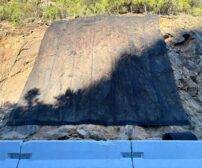
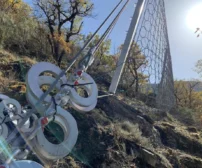
- Plan slope stabilisation measures
- Assess excavation support requirements
- Optimise construction methods and costs
Good drilling leads to good design — and ultimately, safer projects.
Building Strong Foundations Across Africa
As infrastructure and mining projects expand across South Africa and the African continent, the demand for reliable geotechnical data continues to grow.
Experienced drilling teams, modern equipment, and strict safety standards are essential to meeting this demand.
Next Level IMS delivers professional geotechnical drilling services across South Africa and Africa — supporting engineers, developers, and mine operators with accurate subsurface data they can trust.